

Non-Accredited Training
Handgun Fundamentals Training
 Stance and Posture
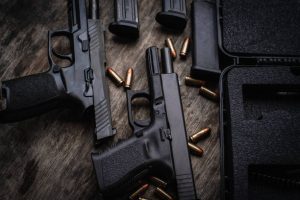
- Proper stance: Standing position for optimal balance and stability.
- Posture: Maintaining a consistent and comfortable posture.
- Body alignment: Aligning the body for accurate shooting.
Grip and Hand Positioning
- Proper grip: Holding the handgun correctly for control and accuracy.
- Hand positioning: Placing the hands for optimal control and stability.
- Finger placement: Correct placement of fingers on the handgun.
Sight Alignment and Focus
- Sight alignment: Aligning the sights for accurate shooting.
- Focus: Focusing on the front sight for optimal accuracy.
- Target acquisition: Quickly acquiring the target.
Trigger Control and Management
- Trigger control: Controlling the trigger for smooth and consistent shots.
- Trigger management: Managing the trigger to avoid accidental discharges.
- Resetting the trigger: Resetting the trigger for follow-up shots.
Breathing and Relaxation Techniques
• Proper breathing: Breathing techniques for relaxation and focus.
• Relaxation techniques: Relaxing the muscles for optimal shooting.
• Mental preparation: Preparing mentally for shooting.
Shooting Drills and Practice
- Shooting drills: Practicing various shooting drills to improve proficiency.
- Target shooting: Shooting at paper targets to practice accuracy.
- Scenario training: Simulated scenarios to practice decision-making and shooting skills.
Additional Topics
- Loading and unloading: Safe procedures for loading and unloading a handgun.
- Malfunction clearance: How to clear malfunctions and jams.
- Shooting from different positions: Shooting from various positions, such as standing, kneeling, and prone.
This training focuses on developing the fundamental skills required for accurate and safe handgun shooting.
Manually Operated Rifle Shooting Fundamentals
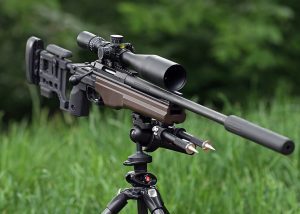 Here’s an overview of the manually operated rifle shooting fundamentals training:
Safety and Handling
- Safe handling: Safe handling and manipulation of manually operated rifles.
- Safety rules: Understanding the fundamental safety rules for manually operated rifles.
- Firearm inspection: How to inspect a manually operated rifle for safety.
Fundamentals of Manually Operated Rifles
- Operating system: Understanding the operating system of manually operated rifles.
- Loading and unloading: Safe procedures for loading and unloading manually operated rifles.
- Cycling the action: How to properly cycle the action of a manually operated rifle.
Shooting Techniques
- Stance and posture: Proper stance and posture for shooting manually operated rifles.
- Grip and aim: How to properly grip and aim manually operated rifles.
- Trigger control: Understanding trigger control and how to avoid accidental discharges.
Practical Shooting
- Live fire training: Practical shooting exercises under supervision.
- Target shooting: Shooting at paper targets to practice accuracy.
- Scenario training: Simulated scenarios to practice decision-making and shooting skills.
Advanced Shooting Techniques
- Shooting from different positions: Shooting from various positions, such as standing, kneeling, and prone.
- Shooting at moving targets: Shooting at moving targets to practice accuracy and speed.
- Shooting with both hands: Shooting with both hands to practice ambidexterity.
Maintenance and Storage
- Firearm cleaning: How to properly clean and maintain manually operated rifles.
- Firearm storage: Safe storage and transportation of manually operated rifles.
Additional Topics
- Loading and reloading: Safe procedures for loading and reloading manually operated rifles.
- Stoppage clearance: How to clear stoppages and malfunctions.
- Shooting drills: Practice shooting drills to improve proficiency.
Training Objectives
- Understand safety procedures: Understand and apply safety procedures when handling manually operated rifles.
- Develop shooting skills: Develop fundamental shooting skills, including stance, grip, aim, and trigger control.
- Apply shooting techniques: Apply shooting techniques in various scenarios, including target shooting and scenario training.
Training Methodology
- Classroom instruction: Classroom instruction on safety procedures, firearm fundamentals, and shooting techniques.
- Practical training: Practical training on shooting techniques, including live fire training and scenario training.
- Coaching and feedback: Coaching and feedback from instructors to improve shooting skills.
Self-loading Rifle Shooting Fundamentals
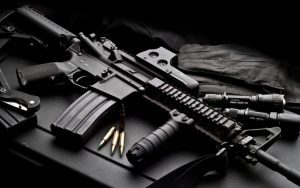 Here’s an overview of the self-loading rifle shooting fundamentals training:
Safety and Handling
- Safe handling: Safe handling and manipulation of self-loading rifles.
Safety rules: Understanding the fundamental safety rules for self-loading rifles.
Firearm inspection: How to inspect a self-loading rifle for safety.
Fundamentals of Self-Loading Rifles
- Operating system: Understanding the operating system of self-loading rifles.
- Loading and unloading: Safe procedures for loading and unloading self-loading rifles.
- Malfunction clearance: How to clear malfunctions and jams.
Shooting Techniques
- Stance and posture: Proper stance and posture for shooting self-loading rifles.
- Grip and aim: How to properly grip and aim self-loading rifles.
- Trigger control: Understanding trigger control and how to avoid accidental discharges.
Practical Shooting
- Live fire training: Practical shooting exercises under supervision.
- Target shooting: Shooting at paper targets to practice accuracy.
- Scenario training: Simulated scenarios to practice decision-making and shooting skills.
Advanced Shooting Techniques
- Shooting from different positions: Shooting from various positions, such as standing, kneeling, and prone.
- Shooting at moving targets: Shooting at moving targets to practice accuracy and speed.
- Shooting with both hands: Shooting with both hands to practice ambidexterity.
Maintenance and Storage
- Firearm cleaning: How to properly clean and maintain self-loading rifles.
- Firearm storage: Safe storage and transportation of self-loading rifles.
Additional Topics
- Loading and reloading: Safe procedures for loading and reloading self-loading rifles.
- Stoppage clearance: How to clear stoppages and malfunctions.
- Shooting drills: Practice shooting drills to improve proficiency.
Training Objectives
- Understand safety procedures: Understand and apply safety procedures when handling self-loading rifles.
- Develop shooting skills: Develop fundamental shooting skills, including stance, grip, aim, and trigger control.
- Apply shooting techniques: Apply shooting techniques in various scenarios, including target shooting and scenario training.
Training Methodology
- Classroom instruction: Classroom instruction on safety procedures, firearm fundamentals, and shooting techniques.
- Practical training: Practical training on shooting techniques, including live fire training and scenario training.
- Coaching and feedback: Coaching and feedback from instructors to improve shooting skills.
Shotgun Shooting Fundamentals
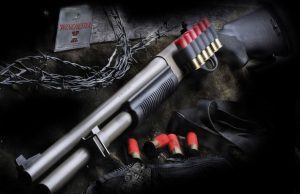 Here’s an overview of the shotgun shooting fundamentals training:
Safety and Handling
- Safe handling: Safe handling and manipulation of shotguns.
- Safety rules: Understanding the fundamental safety rules for shotguns.
- Firearm inspection: How to inspect a shotgun for safety.
Fundamentals of Shotguns
- Operating system: Understanding the operating system of shotguns.
- Loading and unloading: Safe procedures for loading and unloading shotguns.
- Action types: Understanding different action types, such as pump-action, semi-automatic, and break-action.
Shooting Techniques
- Stance and posture: Proper stance and posture for shooting shotguns.
- Grip and aim: How to properly grip and aim shotguns.
- Trigger control: Understanding trigger control and how to avoid accidental discharges.
Practical Shooting
- Live fire training: Practical shooting exercises under supervision.
- Target shooting: Shooting at clay targets, such as skeet or trap, to practice accuracy and timing.
- Wing shooting: Shooting at moving targets, such as clay pigeons or live birds, to practice accuracy and speed.
Advanced Shooting Techniques
- Shooting from different positions: Shooting from various positions, such as standing, kneeling, and prone.
- Shooting at moving targets: Shooting at moving targets to practice accuracy and speed.
- Shooting with both hands: Shooting with both hands to practice ambidexterity.
Maintenance and Storage
- Firearm cleaning: How to properly clean and maintain shotguns.
- Firearm storage: Safe storage and transportation of shotguns.
Additional Topics
- Loading and reloading: Safe procedures for loading and reloading shotguns.
- Stoppage clearance: How to clear stoppages and malfunctions.
- Shooting drills: Practice shooting drills to improve proficiency.
Training Objectives
- Understand safety procedures: Understand and apply safety procedures when handling shotguns.
- Develop shooting skills: Develop fundamental shooting skills, including stance, grip, aim, and trigger control.
- Apply shooting techniques: Apply shooting techniques in various scenarios, including target shooting and wing shooting.
Training Methodology
- Classroom instruction: Classroom instruction on safety procedures, firearm fundamentals, and shooting techniques.
- Practical training: Practical training on shooting techniques, including live fire training and wing shooting.
- Coaching and feedback: Coaching and feedback from instructors to improve shooting skills.